
When shoppers ask which personalized presents are most popular, they are usually looking for a gift that feels specific to one person without being difficult to choose. The strongest options tend to combine a useful or familiar format with a meaningful detail: a name, date, photo, short message, shared reference, or choice of design. Photo books, engraved accessories, custom keepsakes, and made-for-the-recipient experiences are recurring options in gift guides, but popularity does not guarantee that a particular gift suits your recipient.
This guide explains what personalized gifts are, compares common formats, and offers practical steps for choosing one for a birthday, anniversary, holiday, or workplace occasion. It is an editorial comparison, not a sales ranking: the sources below are gift-guide examples, not a representative survey of purchases. Treat popularity as a sign of familiarity and broad appeal, then use the recipient’s preferences, the occasion, and delivery details to make the decision.
What counts as a personalized present?
A personalized present is an item or experience altered or selected to reflect its recipient. Personalization can be as direct as adding a name or date, or as subtle as choosing a photo, color, message, location, or activity with personal meaning. A gift does not need custom manufacturing to feel personal: a carefully selected book paired with a note, for instance, can be tailored without engraving or printing.
Personalized gifts differ from generic presents chiefly in the connection between the choice and the recipient. That connection may make an everyday object more memorable, but it also means the giver needs to get details right. Spelling, dates, image quality, sizing, and the recipient’s taste matter more when an item cannot easily be exchanged.
Which personalized presents are most popular?
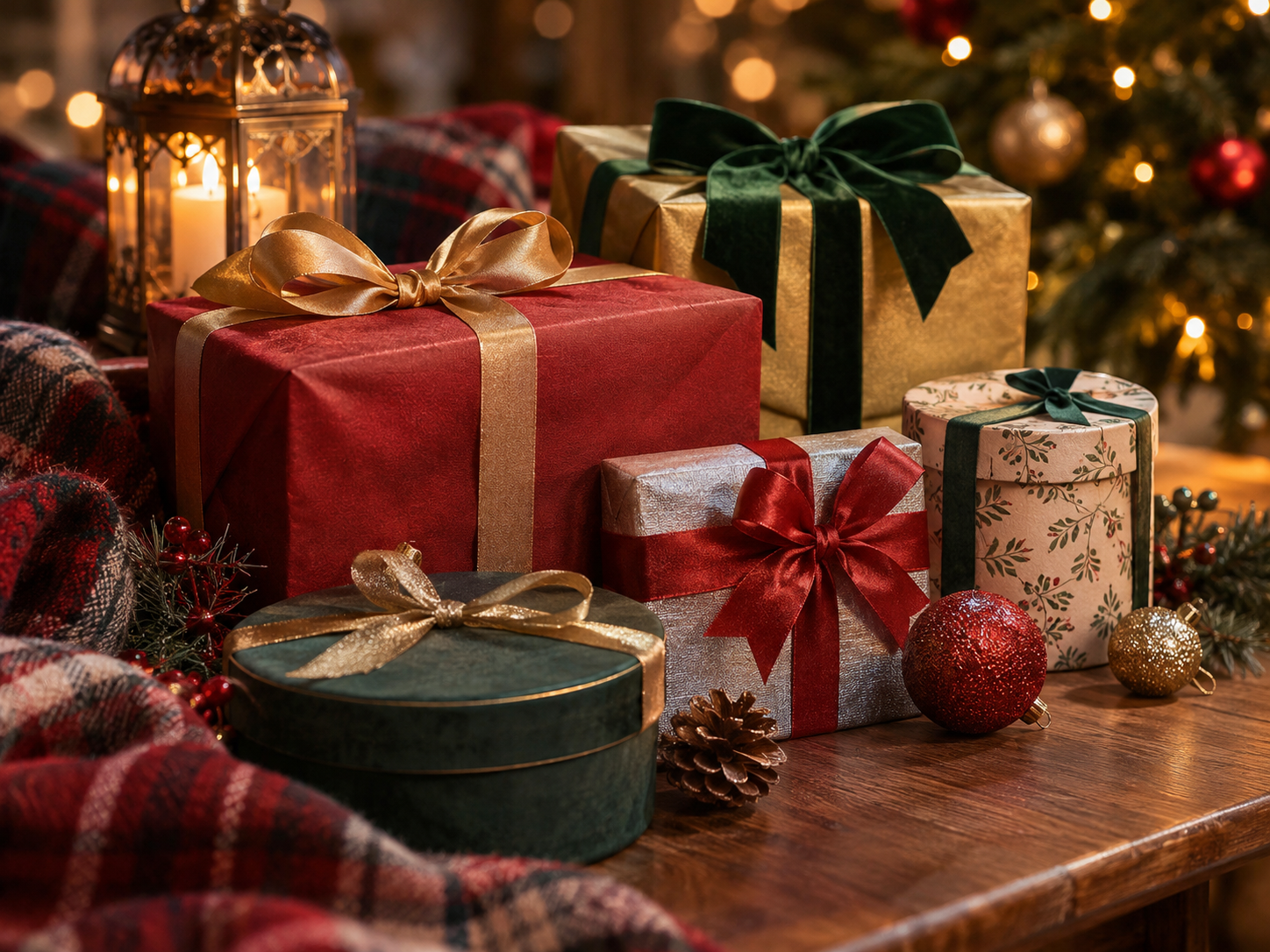
There is no single verified, universal ranking in the sources used here. The categories below are commonly featured in editorial gift guides because they offer clear ways to add a personal touch. They should be read as familiar gift formats—not as proof of sales volume or a guarantee that any one category is right for everyone.
1. Photo books and printed photo gifts
Photo books, calendars, framed prints, and other photo-based keepsakes turn shared images into something the recipient can revisit. They are natural birthday gifts for relatives and friends, and can mark an anniversary with photographs from a relationship or a particular year. A photo book can also work as a holiday gift when the images tell a story the recipient will recognize.
These gifts are most effective when the photographs are meaningful and the layout is easy to use. Before ordering, check image resolution, cropping, captions, and the spelling of names. A photo gift may be less suitable for someone who prefers minimal décor or does not want personal images displayed in their home.
2. Engraved or monogrammed everyday items
Engraved jewelry, key rings, pens, drinkware, desk accessories, and small leather goods make a familiar object more individual. A name, initial, date, or brief message is often enough. Such items can suit birthdays, graduations, anniversaries, and corporate gifting when the personalization is modest and appropriate to the recipient.
Personalization can improve sentimental value, but it does not necessarily improve quality or usefulness. Consider the item itself first: will the recipient use it, and is the material or style a good fit? Check engraving limits, font previews, placement, and whether the item can be returned after customization.
3. Custom books, maps, and keepsakes
Illustrated family prints, maps of meaningful places, custom stationery, and books that incorporate a recipient’s name are popular ways to make a keepsake feel specific. They can suit an anniversary or a milestone birthday when the design reflects a real shared memory rather than a generic message. Handmade gifts can offer a similar sense of individuality, especially when the maker explains what can be customized and how long production takes.
Because tastes differ, choose an object that fits the recipient’s home and style. A highly personalized design may be meaningful to the giver but not something the recipient wants to display. When ordering from an independent maker, review the description, materials, delivery estimates, and customization proof before approving the final version.
4. Personalized tech accessories and gadgets
Phone cases, laptop sleeves, charging accessories, headphones, and other tech-related gifts can be customized with a color, design, initials, or photo. These can be useful birthday or holiday gifts when the recipient already uses the relevant device. Some tech products offer personalization through settings or selected content rather than a physical inscription.
Compatibility comes before decoration. Confirm the exact device model, connector, size, and technical requirements. A customized case for the wrong phone model may be unusable, while a feature-heavy gadget may not suit someone who prefers simple devices. Avoid assuming that a recipient wants a connected device or that they are comfortable sharing personal data with an app or service.
5. Personalized experiences
Experience gifts include a class, guided outing, meal, performance, or activity chosen around the recipient’s interests. The personal element may be the activity itself, a location with shared meaning, or a flexible voucher that lets the recipient choose a time. They can make thoughtful anniversary gifts and are an alternative to adding another object to someone’s home.
Check the practical terms before buying: location, dates, expiry rules, accessibility, cancellation terms, and whether travel or extra fees are involved. An experience is not automatically convenient just because it sounds memorable. For a surprise, consider whether the recipient has the time and ability to take part, and offer a flexible option when possible.
6. Luxury and premium personalized gifts
Luxury gifts might include fine accessories, premium stationery, custom jewelry, or a carefully chosen item from a specialist maker. Adding initials or a date can make a premium object feel more personal, but the price alone does not establish that it is a good match. A durable, well-chosen everyday item may be more welcome than an expensive object the recipient rarely uses.
Set a budget before browsing and compare materials, craftsmanship information, personalization charges, shipping, and return terms. If the item is a luxury purchase, verify the seller and product description through reliable channels. Do not treat a limited-time offer or a high listed price as evidence of quality or value.
7. Eco-conscious personalized gifts
An eco-conscious choice can include a durable item intended for repeated use, a locally made product, a recycled or responsibly sourced material, or an experience instead of a physical object. Personalization may help an item feel worth keeping, but custom production can also add packaging, shipping, or waste. The environmental impact depends on materials, manufacturing, transport, durability, and how the recipient will use the gift.
Look for clear information about materials and sourcing rather than relying on broad sustainability language alone. A simple, useful gift that is already made may be a better fit than a custom item with uncertain production details.
What the gift-guide sources can—and cannot—tell you
This guide uses three named editorial sources as examples of how personalized gifts are presented to shoppers. New York Magazine’s The Strategist guide to personalized Christmas gifts is a holiday-focused roundup. Yahoo Shopping’s article on personalized holiday gifts frames personalization as a way to go beyond a merely thoughtful gesture. Real Simple’s Mixbook personalized-gifts feature is specific to photo-related gifts and a sale-focused topic.
The comparison method here is to identify the gift formats suggested by those editorial topics, then assess each format by occasion, usefulness, customization risk, and practical ordering needs. These articles are not presented as independent sales data, controlled product tests, or proof of a market-wide popularity order. Their examples can help with ideas, but product availability, editorial selections, and promotional terms can change. Check each linked article and the seller’s current product information before ordering.
How to choose the right personalized gift
- Start with the recipient, not the customization. Write down what they enjoy, use, collect, or have mentioned wanting. A useful item in a suitable style is a stronger starting point than an elaborate engraving option.
- Match the gift to the occasion. Birthday gifts can be playful or practical. Anniversary gifts often benefit from a shared reference, date, or photograph. Holiday gift guides may offer broad inspiration, but a gift still needs to suit the individual. For corporate gifting, choose a professional, inclusive option and avoid assumptions about personal beliefs, family status, or taste.
- Choose the appropriate kind of personalization. Decide whether a name, initials, photo, date, message, or experience adds real meaning. Use a short message if space is limited, and make sure any private detail is suitable for the object and setting.
- Verify every detail. Check spelling, dates, dimensions, sizes, device compatibility, photo quality, material, and personalization placement. Review a proof if the seller provides one. Ask someone else to check text if a mistake would be difficult to correct.
- Read the full purchase terms. Confirm production and shipping times, total cost, personalization fees, cancellation rules, and return or replacement policies. Custom-made items may have different return conditions from standard stock. Leave enough time for production, delivery, and a correction if something arrives incorrectly.
- Consider privacy and presentation. Use photos or personal information only with permission where appropriate. For connected gadgets, review what data an app collects and what setup the recipient will need. Include a gift receipt or a note explaining how to exchange or use the item when that option is available.
Benefits and drawbacks
Potential benefits: Personalization can signal that a giver paid attention, turn a shared memory into a keepsake, and make a familiar item easier to distinguish. It can help an ordinary object feel connected to a milestone. An experience can create time together without adding another possession.
Potential drawbacks: Customization can increase cost or production time, and mistakes in names, dates, images, or specifications can be difficult to fix. A highly specific design may not suit the recipient’s taste. A personalized item may be harder to exchange or resell, while an experience can bring scheduling, travel, or accessibility challenges. A customized label does not make a low-quality product durable or useful.
Limitations to keep in mind
Popularity varies by country, season, age group, budget, and retailer. The editorial sources linked above illustrate gift ideas; they do not establish how frequently each kind of present is purchased. This guide therefore describes recurring formats rather than naming a data-backed number-one gift. Retail listings and promotional terms can also change, so confirm current details directly with the seller. If you do not know the recipient well, a flexible, easy-to-exchange gift may be more considerate than a highly specific custom order.
Q&A
What is a safe choice if I do not know someone’s taste well?
Choose a practical item in a neutral style, a flexible experience voucher, or a small gift with a simple personal note. Avoid adding intimate messages or prominent monograms unless you know the recipient would like them.
Are photo books good anniversary gifts?
They can be, particularly when the photos reflect shared memories and the recipient enjoys keepsakes. Select images the recipient would be comfortable seeing in print, check captions carefully, and allow time for printing and delivery.
Are personalized gifts suitable for coworkers or clients?
They can be when the personalization is professional and not overly intimate. For workplace gifting, consider organizational policies, budget limits, cultural differences, and whether the item treats recipients consistently. A useful branded or individually selected item may be more appropriate than a personal message.
Should I choose a gadget or an experience?
Choose a gadget when you know the recipient’s device needs and preferences. Choose an experience when it matches an interest and its dates, location, and access requirements work for them. If either choice is uncertain, preserve flexibility with an exchange option or a recipient-selected date.
Final takeaway
The personalized presents most often featured in gift guides include photo books, engraved everyday items, custom keepsakes, personalized tech accessories, and experiences selected for the recipient. The best option is not necessarily the most elaborate or expensive: it is the one that fits the person, occasion, budget, and practical constraints. Check every custom detail, delivery estimate, privacy consideration, and return term before placing an order. This article is general shopping information, not financial advice; spend within a comfortable budget and verify current prices and terms with the seller.
Leave a Reply