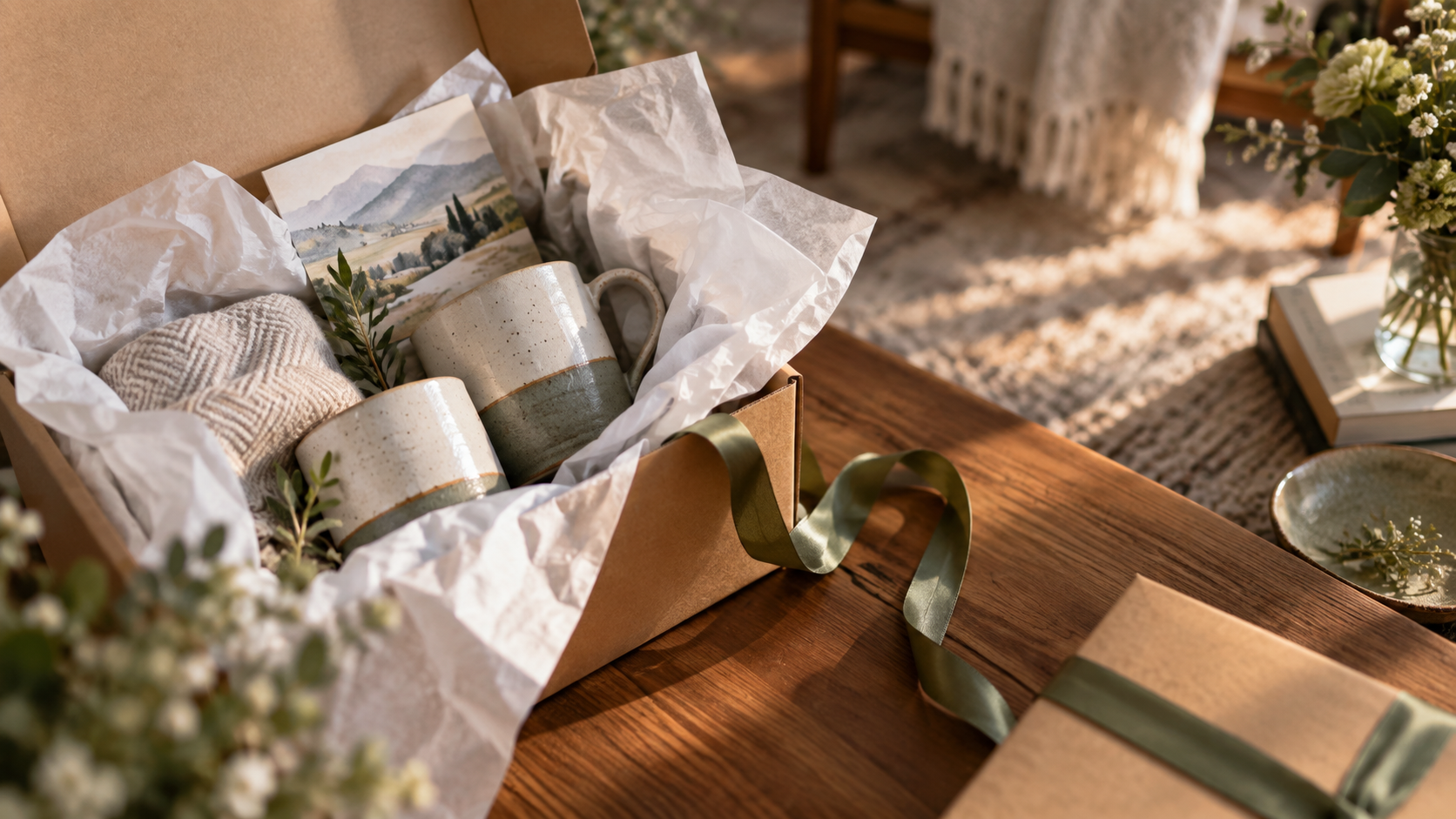
Choosing wedding gifts for a couple who has everything can feel like a puzzle. They may already own a well-equipped home, have refined tastes, and prefer not to collect more things. The answer is not necessarily to spend more or search for an unusually elaborate object. It is to find a gift that feels personal, useful, memorable, or meaningful to the two people getting married.
This guide explains what makes a gift suitable for a well-equipped couple, how to choose one step by step, and the trade-offs among personalized gifts, experiences, handmade items, and other options. The goal is not to find a universally perfect present—preferences and circumstances differ—but to make a thoughtful choice with less guesswork.
What Does “A Couple Who Has Everything” Mean?
A “couple who has everything” is an informal description, not a measurable category. It usually means the pair appears to have the household essentials and possessions they want, or that a conventional registry does not offer an obvious choice. It may also mean they value experiences, simplicity, or specific personal tastes more than additional belongings.
That description does not mean the couple has no needs. They may have a honeymoon or home project to fund, enjoy a particular activity, or appreciate help with a practical task. They might also welcome a familiar object if it is unusually well chosen. The useful question is not “What could they possibly own?” but “What would suit their shared life and preferences?”
Start With What You Know

Before browsing, consider what the couple has actually said and done. A public wedding registry is a strong place to start: listed items are clues to what the recipients chose, and a registry contribution may be welcome even if the couple has many possessions. If they have not shared a registry, ask a trusted member of the wedding party or family for general guidance. Avoid asking for private financial details or assuming that one person’s interests represent both partners.
Consider their routines, not just their hobbies. Do they host friends, travel, cook, garden, visit galleries, or spend weekends outdoors? Do they value locally made goods, low-waste choices, or keeping their home uncluttered? A gift connected to a real shared interest is more likely to feel considered than a generic “luxury” item chosen because it seems impressive.
Practical Steps for Choosing a Gift
- Check the invitation and registry. Follow any stated preferences, registry details, or instructions about gifts. If the couple requests contributions to a particular fund or asks guests not to bring presents, respect that request.
- Set a comfortable budget. Choose an amount that fits your circumstances. There is no universal rule that a wedding gift must cover the cost of a guest’s attendance. A sincere card and a modest present are preferable to spending beyond your means.
- Choose a gift type. Decide whether a useful item, experience, personalized keepsake, handmade present, charitable contribution, or group gift best matches the couple.
- Check practical details. For an experience, confirm dates, location, booking terms, accessibility, and expiry conditions. For an object, consider shipping, storage, care, sizing, and whether the couple already owns something similar.
- Add a personal note. Explain briefly why you chose it or share a warm wish for their marriage. Personal context can make a simple gift feel specific without requiring an elaborate purchase.
Gift Ideas for Couples Who Prefer Fewer Possessions
Experience gifts
A shared experience can create a memory without adding a lasting object to the home. Possibilities include a cooking class, museum admission, a guided local tour, tickets to a performance, a picnic, or a contribution toward a trip. Choose something that fits both partners rather than an activity that only one person enjoys. If you do not know their schedule, an open-date voucher or flexible contribution may be more practical than booking a fixed event.
Pros: Experiences can reflect a shared interest, suit people with limited storage, and give the couple an opportunity to spend time together. Cons: A voucher may go unused if the location, timing, accessibility, or activity is unsuitable. Some experiences require additional spending or advance planning. Read the terms and explain what is included rather than assuming the recipient will know.
Personalized gifts
Personalization can make an ordinary item more distinctive: a framed illustration of a meaningful place, a recipe book built around family dishes, or a photo album assembled with care. Keep the details accurate and restrained. Confirm spellings, dates, and names before ordering, and think about whether the design fits the couple’s taste. Personalization is not automatically meaningful; a useful or beautiful item may matter more than engraving.
Pros: A well-chosen personalized gift can mark the wedding and show that you paid attention. Cons: Customized items may have limited return options, longer production times, and a greater chance of errors. Avoid adding sensitive information, such as a full address or private family details, to an item that may be displayed publicly.
Handmade gifts
A handmade present might be a knitted blanket, a piece of pottery, preserved family recipes, a carefully assembled scrapbook, or a small artwork. The strongest handmade gifts suit the recipients’ lives and are made to a standard the giver can confidently offer. A handmade item need not look professionally produced, but it should be clean, safe to use, and accompanied by simple care instructions when relevant.
Pros: Handmade gifts can carry a personal story and may support a craft tradition or local maker. Cons: They can take time, may not suit every style, and can still create clutter. Do not treat the labor involved as proof the couple will want to keep the item; consider their preferences first.
Useful upgrades and luxury gifts
If the couple enjoys particular objects, an upgrade can be more appropriate than an unfamiliar novelty. This might be a high-quality serving piece, a durable outdoor accessory, or a specialist tool related to a shared pastime. Luxury should mean relevant quality, craftsmanship, or service—not simply a high cost. Check the registry and ask discreetly before buying an item that comes in sets or depends on exact specifications.
Pros: A carefully selected upgrade can be used often and last. Cons: Quality is subjective, and premium objects can be difficult to store, maintain, or return. A costly gift may also create discomfort if it does not fit your relationship with the couple. Do not use price as a substitute for evidence that the gift suits them.
Tech gadgets and subscriptions
Technology can be a good choice when the couple has expressed interest in a specific device or service. Before buying, check compatibility, power requirements, language or regional restrictions, privacy settings, and whether both partners want the product. A subscription may be more flexible than a device, but check renewal terms and whether the recipients can use it in their location.
Pros: A relevant gadget can support a hobby or simplify a routine. Cons: Devices can become outdated, require setup, collect personal data, or duplicate equipment the couple already owns. Avoid buying connected cameras, microphones, or location-tracking devices without clear consent. For gifts involving accounts or personal data, let the recipients control setup and permissions.
Eco-friendly gifts and charitable contributions
For a couple who cares about sustainability, consider a durable product they have requested, a repairable item, a locally made object, or a contribution to a cause they have named. Environmental claims vary, so look for specific, verifiable information about materials, sourcing, packaging, or repair options rather than relying on broad labels such as “green.” A charitable donation is most considerate when it supports an organization or cause the couple has chosen.
Pros: These options can align with the couple’s values and avoid an unwanted decorative object. Cons: Sustainability claims may be hard to compare, and a donation to a cause chosen by the giver may not feel personal to the recipients. Do not assume that a couple shares your preferred charity or environmental priorities.
When a Conventional Gift Is Still the Best Choice
A registry item, practical household gift, or gift card can be thoughtful when it follows the couple’s wishes. A couple who appears well supplied may still want a particular pan, linen set, book, or contribution toward a planned purchase. Gift cards can give recipients choice, especially when they are for a retailer or service the couple already uses. Include a note so the gesture feels warm rather than automatic.
For birthdays, anniversaries, and holiday gift guides, the same principle applies: match the present to the occasion and the recipient rather than treating every celebration as a reason to buy a large object. Corporate gifting has different expectations and policies, so a personal wedding present should not be assumed appropriate in a professional relationship. If workplace rules apply, check them before giving anything of significant value.
Comparison Method: How to Narrow Your Options
Use a simple comparison based on five questions. This is a practical decision method, not a scientific ranking:
- Fit: Does the gift reflect a preference or shared interest you can reasonably confirm?
- Use: Is there a clear way the couple can enjoy or use it?
- Flexibility: Can they choose a date, exchange an item, or adapt the gift if needed?
- Burden: Does it require storage, upkeep, travel, a subscription, or extra spending?
- Meaning: Can you explain why you chose it in a sincere sentence?
Compare options by looking at their likely fit and possible drawbacks, not by assigning unsupported scores or assuming one gift category is always superior. For example, a fixed-date dinner may be meaningful but difficult to schedule; a registry item may be less surprising but more likely to be wanted. The couple’s stated preferences should outweigh a desire to give something unexpected.
Limitations and Common Mistakes
No guide can know the couple’s private tastes, storage situation, dietary needs, mobility requirements, or plans. An experience that sounds relaxing to one pair may not suit another. A handmade keepsake may be cherished or may not match their home. Even a registry item can become unavailable or arrive late. When information is missing, choose flexibility, ask a suitable person, or send a card instead of making assumptions.
Avoid gifts that create obligations, such as surprise travel, a pet, a demanding class, or a recurring subscription the couple has not agreed to. Be cautious with food and drink if you do not know dietary restrictions or preferences. Do not send fragile or bulky items to a venue without checking its arrangements. If contributing money, use a method the couple has specified and keep the transaction private; never share payment details or personal information in an unsecured message.
Q&A: Wedding Gifts for a Couple Who Has Everything
Is cash an appropriate wedding gift?
It can be, particularly if the couple has requested cash or contributions. Follow the invitation or registry instructions and choose an amount that is comfortable for you. There is no universal required sum.
Should I buy something surprising?
Only if you have a good reason to think the couple will enjoy it. Surprise is less important than fit. A registry choice or flexible experience may be more considerate than an unexpected item.
Are experience gifts better than physical gifts?
Not always. Experiences may suit couples who prefer fewer possessions, while a requested object may be more useful. Consider scheduling, access, location, and the couple’s interests before deciding.
What if the couple has asked for no gifts?
Respect the request. A sincere card or message may be enough. Do not disguise a substantial present as a small gesture if the couple has clearly asked guests not to bring gifts.
Final Thought
The best wedding gifts for a couple who has everything are not necessarily rare, expensive, or dramatic. They are gifts chosen with care: grounded in what the couple has shared, considerate of their time and space, and offered without pressure. Start with their preferences, compare the practical trade-offs, and let the message accompanying the gift express what matters most—your good wishes for their life together.
Informational note: This article offers general gift-selection ideas, not financial, legal, or safety advice. Check current terms, workplace policies, product instructions, and the couple’s stated preferences before purchasing or arranging a gift.
Leave a Reply