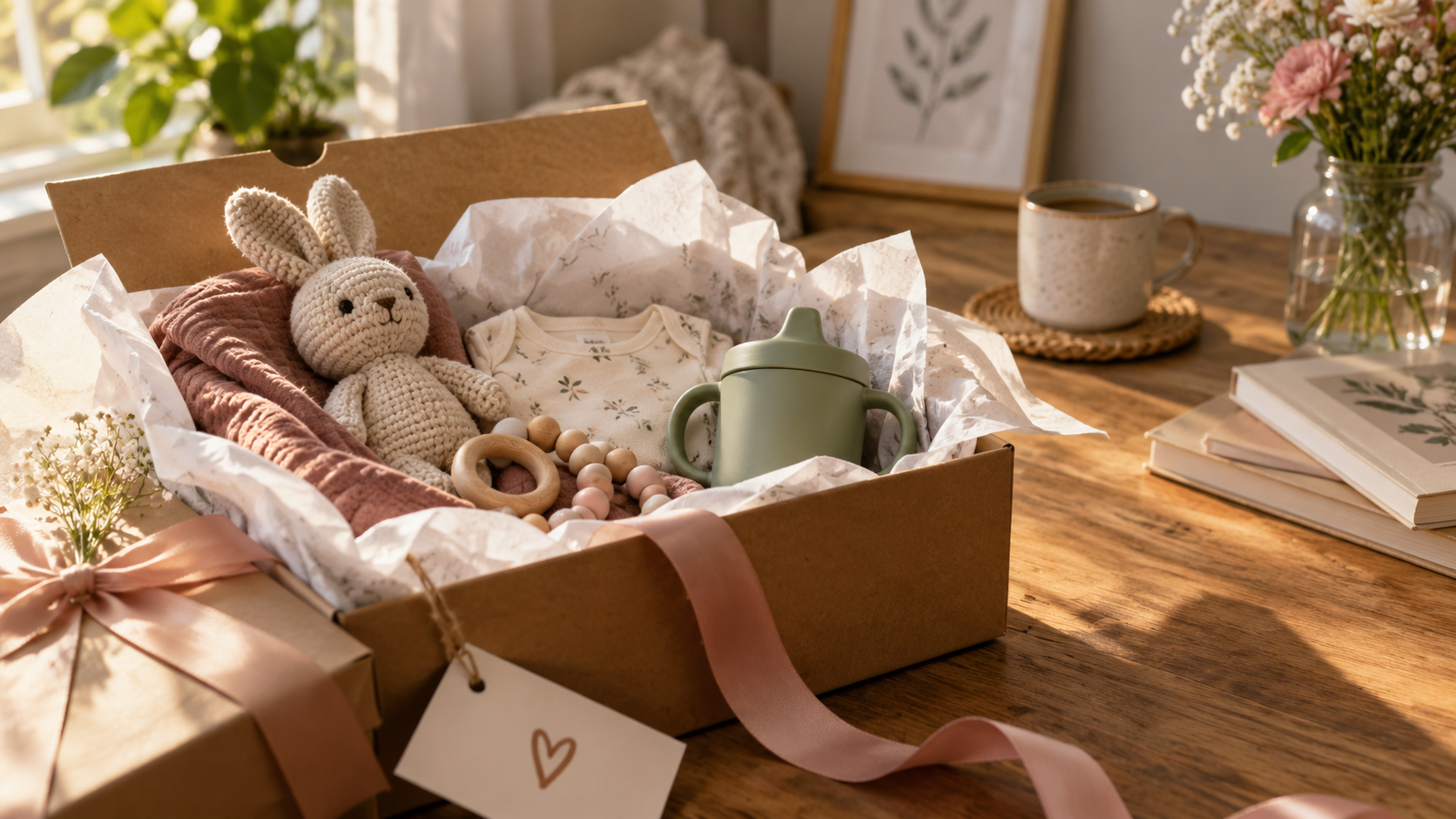
Choosing mothers day gifts for new moms calls for a slightly different approach than choosing a conventional present. A new mother may appreciate something that recognizes her identity, but she may also need rest, practical help, personal time, or a way to preserve memories from an important transition. The best gift is rarely the most expensive item. It is the one that fits her preferences, daily routine, available space, and current stage of life.
This guide explains how to choose a thoughtful gift for a new mom, compares common gift categories, and outlines safety and purchasing considerations. It includes personalized gifts, handmade gifts, tech gadgets, luxury gifts, experience gifts, and useful alternatives that can be adapted to different budgets and relationships.
What Counts as a Good Mother’s Day Gift for a New Mom?
A good Mother’s Day gift for a new mom is a present or gesture that acknowledges her as an individual while making her life more comfortable, meaningful, or enjoyable. It does not have to be baby-related. In many cases, a gift focused only on the infant can overlook the mother’s own interests and needs.
Useful options may include a personalized keepsake, a comfortable robe, a meal arranged around her dietary preferences, a digital subscription, a framed photograph, a massage or wellness experience from a qualified provider, or several hours of reliable practical help. The right choice depends on what she enjoys and what kind of support she is comfortable accepting.
How to Choose the Right Gift

1. Start with her preferences
Consider what she liked before pregnancy and parenthood. Does she enjoy reading, cooking, photography, skincare, music, exercise, crafts, travel, coffee, or quiet time? A new routine may reduce the time available for these interests, but that does not mean they have disappeared.
Also consider her attitude toward possessions. Some people enjoy sentimental objects, while others prefer consumables, services, or uncluttered spaces. A carefully chosen meal, cleaning service, or flexible gift card may be more welcome than another decorative item.
2. Identify the practical need
Think about what would remove friction from her day. Examples include a delivered meal, grocery delivery credit, a laundry service, an insulated travel mug, a soft blanket, a hands-free bag, or a subscription that reduces a recurring errand. Ask discreetly before arranging services that require access to her home or a fixed appointment.
3. Decide whether the gift should be for her, the household, or both
A baby monitor, stroller accessory, or diaper organizer may be useful, but it is primarily a baby or household gift. If you choose one of these items, consider pairing it with something clearly intended for the mother, such as a favorite snack, a book, a personal care item, or a handwritten note.
4. Check timing, storage, and return policies
New parents often have limited time and space. Avoid gifts that require assembly, frequent maintenance, complicated setup, or a scheduled activity unless you know she wants those responsibilities. For clothing, shoes, cosmetics, and fitted accessories, review the size, color, allergy, and return details before purchasing.
5. Personalize with restraint
Personalization can make a gift distinctive, but names and dates should be checked carefully before an order is submitted. A subtle initial, meaningful phrase, birth month, or family photograph may be more versatile than a large design. Confirm whether a personalized item can be returned, because many customized products have limited return options.
Gift Ideas by Category
Personalized gifts
Personalized gifts can mark the beginning of motherhood without turning the recipient into a secondary character in her own celebration. Consider a discreet necklace, an engraved jewelry dish, a custom illustration of the family, a photo book, a monogrammed travel case, or a journal with a high-quality cover.
The main advantage is emotional relevance. A well-designed keepsake can remain meaningful for years and may become part of a family tradition. The limitations are that personalization can increase cost, extend delivery time, and make returns difficult. Verify spelling, production timelines, materials, and the seller’s correction policy before buying.
Handmade gifts
Handmade gifts may include a knitted blanket, a sewn pouch, a painted piece of artwork, homemade baked goods, a handwritten letter, or a carefully assembled care package. These gifts are especially suitable when the maker understands the recipient’s style and can produce an item that is safe, durable, and easy to care for.
Handmade gifts often communicate time and attention rather than only spending. However, quality can vary, and some products may contain fragrances, dyes, food allergens, loose parts, or materials that are difficult to clean. For anything intended for use around a baby, ask the maker about materials, washing instructions, and construction. Do not assume that a handmade item has been independently safety-tested.
Tech gadgets
Technology gifts work best when they solve a problem she actually has. Useful examples may include comfortable wireless headphones, a bedside charging station, an e-reader, a smart speaker, a digital photo frame, or a compact power bank from a reputable manufacturer.
Before buying, check device compatibility, charging requirements, privacy settings, warranty coverage, and whether the recipient wants another app or account to manage. Internet-connected baby products deserve particular care. The U.S. Consumer Product Safety Commission publishes product safety information and recall notices, while the Federal Trade Commission provides consumer guidance about privacy and connected devices. Review current information from these organizations and the manufacturer rather than relying only on retailer reviews.
A tech gadget can be convenient and long-lasting, but it may become a burden if setup is complicated or notifications are excessive. Include the receipt, a short setup guide, and the option to return or exchange it.
Luxury gifts
Luxury gifts can include a high-quality leather wallet, fine jewelry, premium bedding, a cashmere wrap, a fragrance from a brand she already uses, or a service such as a private facial or salon appointment. Luxury does not have to mean extravagant. It can mean better materials, skilled workmanship, repairability, or an experience that feels considered.
The benefit is a sense of occasion and possible long-term use. The drawbacks include higher cost, greater risk of choosing the wrong style, and possible maintenance requirements. Avoid assuming that a new mom wants a makeover, weight-related product, anti-aging treatment, or anything framed as a way to “get back” to her previous appearance. The gift should affirm her preferences, not impose an expectation.
Experience gifts
Experience gifts can provide a break from routine. Possibilities include a flexible restaurant voucher, a pottery or cooking class, a museum membership, a photography session, a quiet hotel day, a concert ticket, or a wellness appointment with a qualified provider. Flexible scheduling is usually more suitable than a fixed reservation during the early months of parenthood.
Ask about childcare, transportation, feeding arrangements, accessibility, and cancellation terms before making a booking. An experience can be memorable, but it can also create pressure if the recipient must arrange childcare or attend at an inconvenient time. A voucher with a generous validity period may be more practical than a nonrefundable event.
Practical comfort gifts
Practical gifts are often overlooked because they seem ordinary, yet they can be among the most useful. Consider a meal delivery contribution, grocery credit, a quality water bottle, comfortable loungewear, a washable throw, a book light, a prepared breakfast basket, or a local cleaning service.
When giving food, check allergies, dietary restrictions, cultural preferences, and whether the family has freezer or refrigerator space. When arranging a service, use an established provider, confirm insurance or screening information where relevant, and let the recipient choose the date. Never give access to a home, account, or personal information without consent.
Safety Considerations for Gifts Used Around Babies
Some gifts for new moms are also used by or near infants, so safety should be part of the decision. Check the product’s age range, warnings, instructions, materials, and recall status. The American Academy of Pediatrics provides parent-facing guidance through HealthyChildren.org, and the U.S. Consumer Product Safety Commission maintains information about recalls and product hazards. These sources are useful starting points, but the product’s current instructions and applicable local requirements should also be reviewed.
Be cautious with weighted sleep products, infant sleep accessories, cords, small detachable parts, heating items, essential oils, supplements, and products making health or developmental claims. Do not present a gift as medical treatment. If a product will be used with an infant or by someone recovering from childbirth, the recipient should follow advice from a qualified healthcare professional when appropriate.
For digital products, use strong account passwords, enable available security updates, and review microphone, camera, location, and data-sharing permissions. A gift that collects personal information should be offered with clear notice and an easy way to decline.
Pros and Cons of Common Gift Approaches
Sentimental keepsake
Pros: personal, memorable, and often suitable for a first Mother’s Day. Cons: may add clutter, depend on a particular aesthetic, or be difficult to return after customization.
Practical support
Pros: reduces daily effort and can be tailored to immediate needs. Cons: requires good timing, may feel impersonal without a note, and can create privacy or scheduling concerns if arranged without permission.
Personal treat or luxury item
Pros: keeps the focus on her interests and can provide a strong sense of occasion. Cons: style, scent, fit, and maintenance preferences are easy to misjudge.
Experience gift
Pros: creates a memory without adding a permanent object. Cons: childcare, transport, fatigue, and fixed booking dates can make participation difficult.
Technology
Pros: may save time, support entertainment, or simplify communication. Cons: requires setup, charging, updates, and attention to privacy and compatibility.
Limitations to Keep in Mind
No gift guide can predict an individual mother’s physical recovery, emotional state, finances, household support, cultural traditions, or relationship with Mother’s Day. A gift that feels caring to one person may feel intrusive or impractical to another. The same is true of offers to babysit, clean, cook, or visit. Give the recipient control over the timing and conditions whenever possible.
Budget is another limitation. Spending more does not guarantee that a present will be more meaningful. A short letter identifying specific qualities you admire, a favorite meal, or an offer of help that is actually honored may be more valuable than a costly object. For family members, partners, and workplaces, avoid treating a gift as a substitute for fair ongoing support.
A Simple Comparison Method
To compare possible gifts fairly, score each option informally against six questions:
- Does it match her known interests or stated needs?
- Will it fit her current schedule, home, and storage space?
- Does it require setup, childcare, maintenance, or additional spending?
- Can it be returned, exchanged, canceled, or used on a flexible schedule?
- Are the materials, instructions, privacy practices, and safety information clear?
- Does the gift recognize her as a person rather than only as a parent?
This method does not rank products or rely on invented tests, personal experience, or unsupported claims. It compares suitability based on recipient fit, practical effort, safety, flexibility, and long-term usefulness. Current safety information should be checked through the product manufacturer, the U.S. Consumer Product Safety Commission, and reputable pediatric guidance such as HealthyChildren.org.
Concise Q&A
What is the best first Mother’s Day gift for a new mom?
The best choice is usually something that reflects her interests and reduces pressure. A personal keepsake paired with practical help, a flexible experience, or a favorite meal is a strong starting point.
Should a Mother’s Day gift for a new mom be baby-related?
No. Baby-related items can be useful, but a gift focused on her own comfort, hobbies, identity, or rest may feel more personally meaningful.
Is money or a gift card appropriate?
Yes, when it is presented thoughtfully. Choose a retailer, service, restaurant, or delivery option she already uses, and consider adding a note explaining why you chose it. Check expiration dates, fees, and redemption restrictions.
What should I avoid giving?
Avoid products that imply criticism of her body, health, parenting, or appearance. Also avoid unsafe baby products, strongly scented items when sensitivities are unknown, nonrefundable events with rigid dates, and services arranged without confirming her consent.
How can I make a modest gift feel special?
Pair it with a specific handwritten message and a concrete offer of help. Mention a quality you admire, explain why the gift reminded you of her, and make the practical offer easy to accept.
Final Takeaway
The most thoughtful mothers day gifts for new moms balance recognition with usefulness. Start with her preferences, account for the realities of early parenthood, and make the gift flexible wherever possible. Personalized and handmade gifts can preserve memories; tech gadgets can reduce friction; luxury and experience gifts can create a sense of occasion; and practical support can make an immediate difference. The strongest choice is one that respects her autonomy, protects her time and privacy, and celebrates her as a whole person.
Informational disclaimer: Product safety, privacy, and health guidance can change. Before giving an item used by or near an infant, review current manufacturer instructions and recall information, and consult a qualified healthcare professional for questions involving recovery, feeding, sleep, or medical conditions.
Leave a Reply