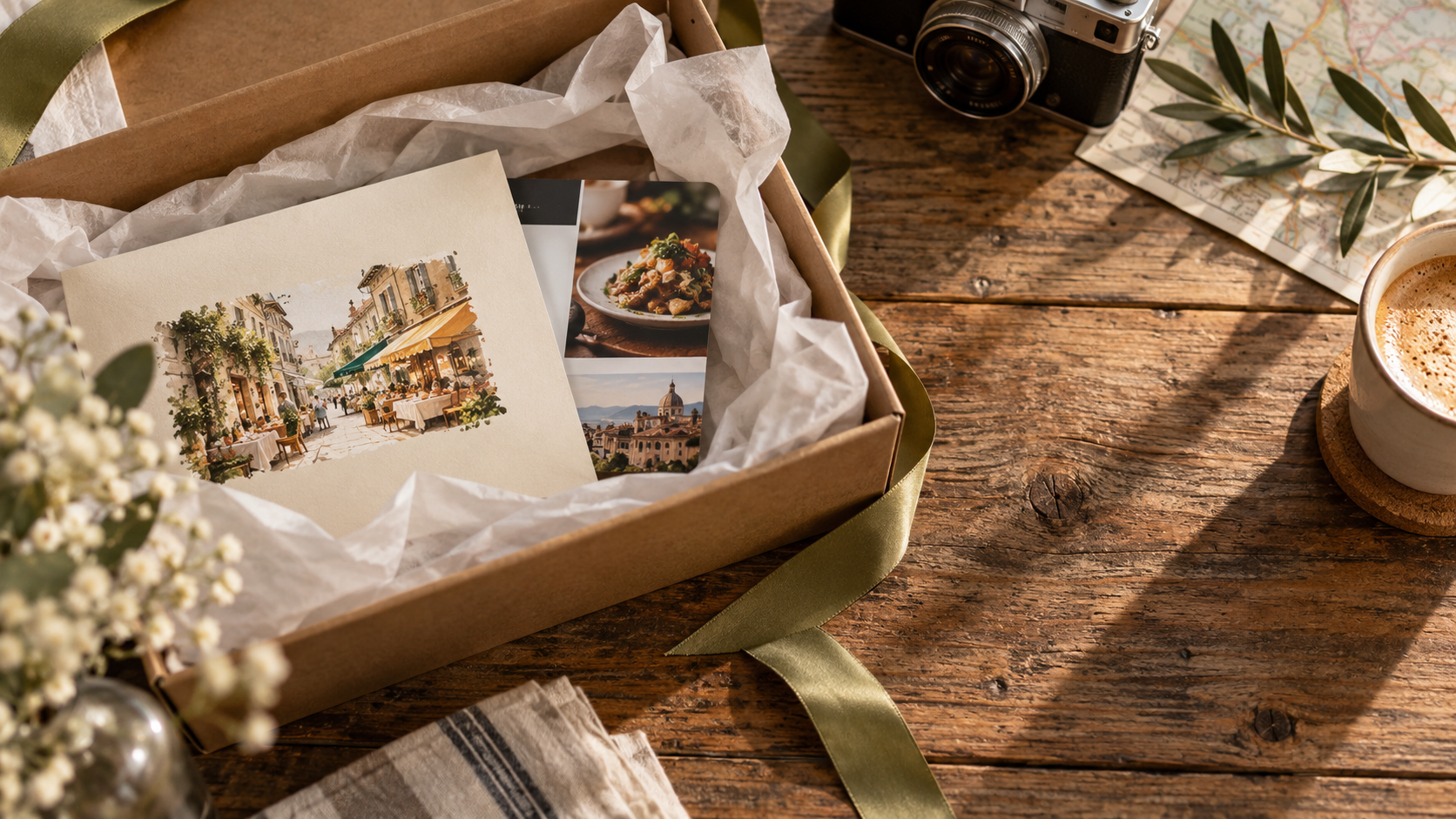
Food tour gift vouchers combine local discovery, conversation, and a shared meal into one present. Instead of giving another object that may be difficult to store or return, the recipient receives an invitation to explore restaurants, markets, bakeries, food stalls, or specialist producers with a knowledgeable guide. For birthdays, anniversaries, holidays, corporate gifting, or simply a thoughtful thank-you, the format can suit people who value experiences as much as possessions.
This guide explains what food tour gift vouchers are, how they work, what to check before buying, and where their limitations lie. It also compares them with personalized gifts, handmade gifts, luxury gifts, tech gadgets, and other experience gifts so you can make a more suitable choice.
What Are Food Tour Gift Vouchers?
Food tour gift vouchers are prepaid certificates or digital codes that allow the recipient to book an eligible culinary walking tour, tasting route, market visit, cooking activity, or similar food-focused experience. The voucher may cover one person, two people, or a larger group, depending on the provider. Some vouchers are tied to a specific tour, while others give the recipient credit toward a selection of experiences.
A typical tour might include several tasting stops in a neighborhood, a guided visit to a food market, a regional specialty route, a street-food itinerary, or a combination of local history and food sampling. The exact inclusions vary widely. Some experiences include all tastings; others require the recipient to pay for food and drinks separately. Transport, gratuities, alcoholic beverages, and optional activities may also be excluded.
The central value is flexibility and participation. A physical present can be opened immediately, but a food tour voucher gives the recipient something to plan and anticipate. It is particularly suitable for people who enjoy trying new places, learning about local culture, or spending time with another person.
Why Food Tour Gift Vouchers Make Thoughtful Gifts
They create shared time
A food tour is usually more social than a conventional product. It can become a birthday outing, an anniversary date, a reunion activity, or a way for colleagues to connect outside the workplace. The gift has value beyond the food itself because the recipient can associate it with a particular day and place.
They can feel personal without being difficult to choose
Personalized gifts often require detailed knowledge of someone’s size, taste, home, or daily routine. A food tour still allows personal selection without requiring that level of certainty. You can choose a neighborhood the recipient loves, a cuisine they have not tried, or a theme connected to their interests.
They avoid some forms of household clutter
Experience gifts do not add another decorative item, appliance, or electronic device to the recipient’s home. This can make them appealing for minimalists, frequent travelers, people who already own many tech gadgets, or anyone who prefers activities over possessions.
They offer a range of styles
Food tours can be informal and affordable, highly specialized, or positioned as luxury experiences. A market walk may suit a curious traveler, while a private tasting or chef-led itinerary may be more appropriate for an important anniversary. Availability depends on the destination and the individual operator.
How to Choose Food Tour Gift Vouchers
1. Start with the recipient’s habits
Consider how the person actually spends free time. Do they enjoy walking, trying independent restaurants, visiting markets, or learning the history behind a dish? Would they prefer a relaxed afternoon or a structured evening? A recipient who dislikes long walks may be happier with a seated tasting or cooking class than with a multi-stop city route.
Think about social preferences as well. Some vouchers are for scheduled group tours, while others offer private bookings. A group experience can be lively and cost-conscious, but a private tour may be better for a couple, family, or corporate team seeking more control over the schedule.
2. Check the location and travel requirements
Confirm where the experience takes place and how far the recipient must travel. A voucher may be attractive in principle but inconvenient if it requires a long journey, difficult parking, or expensive accommodation. For someone who travels frequently, a voucher in a city they already plan to visit may be more useful than a local activity.
Check the meeting point, approximate walking distance, terrain, accessibility information, and likely weather exposure. Providers should explain these details, but the information may be spread across the booking page and terms.
3. Read exactly what is included
Look for a clear list of inclusions and exclusions. Important questions include:
- How many people does the voucher cover?
- Are tastings and non-alcoholic drinks included?
- Are alcoholic drinks optional or part of the package?
- Are service charges or gratuities excluded?
- Is the guide included?
- Does the voucher cover a fixed tour or a monetary credit?
- Can the recipient select the date and time?
A low-cost voucher may be reasonable if it provides a short activity with limited tastings. The issue is not the price alone; it is whether the description allows the buyer to understand the complete commitment.
4. Review expiry, booking, and cancellation terms
Expiry rules are among the most important details. Check the final booking date, blackout dates, seasonal restrictions, and the amount of notice required. Some providers allow the recipient to book by the expiry date, while others require the tour itself to take place before that date.
Also review cancellation and rescheduling rules. A provider may charge an administration fee, require several days’ notice, or refuse changes for late cancellations. If the voucher is a gift, send the recipient the terms with the confirmation rather than assuming the headline description tells the whole story.
5. Investigate dietary and accessibility arrangements
Food tours can involve allergens, cross-contact risks, unfamiliar ingredients, alcohol, and foods that do not suit a vegetarian, vegan, religious, or medically restricted diet. Contact the provider before buying if dietary needs are central to the decision. Ask what substitutions are possible and whether the tour can safely accommodate those requirements.
Do not rely on a general label such as “dietary-friendly.” The recipient should communicate their needs directly to the tour operator before booking, especially when a serious allergy is involved.
6. Compare providers using consistent criteria
When comparing food tour gift vouchers, use the same checklist for each provider: location, duration, number of stops, included food and drinks, group size, accessibility, expiry period, cancellation rules, voucher transferability, and booking process. This method is more useful than comparing headline prices without examining what each package includes.
For food-safety information, the UK Food Standards Agency provides public guidance on food allergies and allergen information. For consumer-rights questions in the United Kingdom, GOV.UK guidance on buying goods and services and the Consumer Rights Act 2015 are useful starting points, although the exact rules depend on the transaction, provider, and country. Buyers elsewhere should consult their local consumer-protection authority.
Advantages and Limitations
Advantages
- Memorable: the recipient can associate the gift with a place, meal, and shared occasion.
- Social: the voucher can encourage time with a partner, friend, relative, or colleague.
- Flexible in format: choices may include markets, street food, regional cuisine, desserts, drinks, or private tastings.
- Low physical clutter: the gift is usually delivered digitally or as a small printed certificate.
- Suitable for several occasions: it can work as a birthday gift, anniversary gift, holiday present, or corporate reward.
Limitations
- Scheduling can be difficult: popular dates may be unavailable, particularly at weekends or during tourist seasons.
- Location matters: a voucher is less convenient when the recipient lives far from the tour.
- Food preferences vary: a fixed menu may not suit every diet or palate.
- Weather can affect the experience: outdoor walking tours may be less enjoyable in rain, heat, or cold.
- Terms can restrict use: expiry dates, blackout periods, minimum group sizes, and cancellation policies may reduce flexibility.
- Value is difficult to compare: two tours with similar prices may include very different amounts of food, time, and guidance.
Food Tour Vouchers Compared With Other Gift Ideas
Compared with tech gadgets, food tour vouchers do not require charging, software updates, or knowledge of the recipient’s preferred device ecosystem. However, a gadget may be more useful for someone who values practical tools and spends little time on food or travel.
Compared with handmade gifts, a food tour is less tangible and may not carry the same creative or sentimental quality. Handmade gifts can be deeply personal, but they require an understanding of the recipient’s taste and often take more preparation.
Compared with luxury gifts, a private tasting, specialist producer visit, or chef-led event can provide a sense of exclusivity without purchasing a long-lasting luxury item. Luxury experiences may carry higher costs and stricter terms, so examine the booking conditions carefully.
Compared with other experience gifts, food tours are often easier to share than activities designed for one participant. They may be less suitable for someone seeking physical adventure, quiet relaxation, or a skill-based class. The best choice depends on the person’s interests rather than the general popularity of the category.
For corporate gifting, food tours can work for small teams, client thank-you gifts, or employee recognition. Before choosing one, check whether the format accommodates different dietary needs, work schedules, mobility requirements, and professional boundaries. A flexible voucher may be more practical than a fixed date.
How to Present the Voucher Well
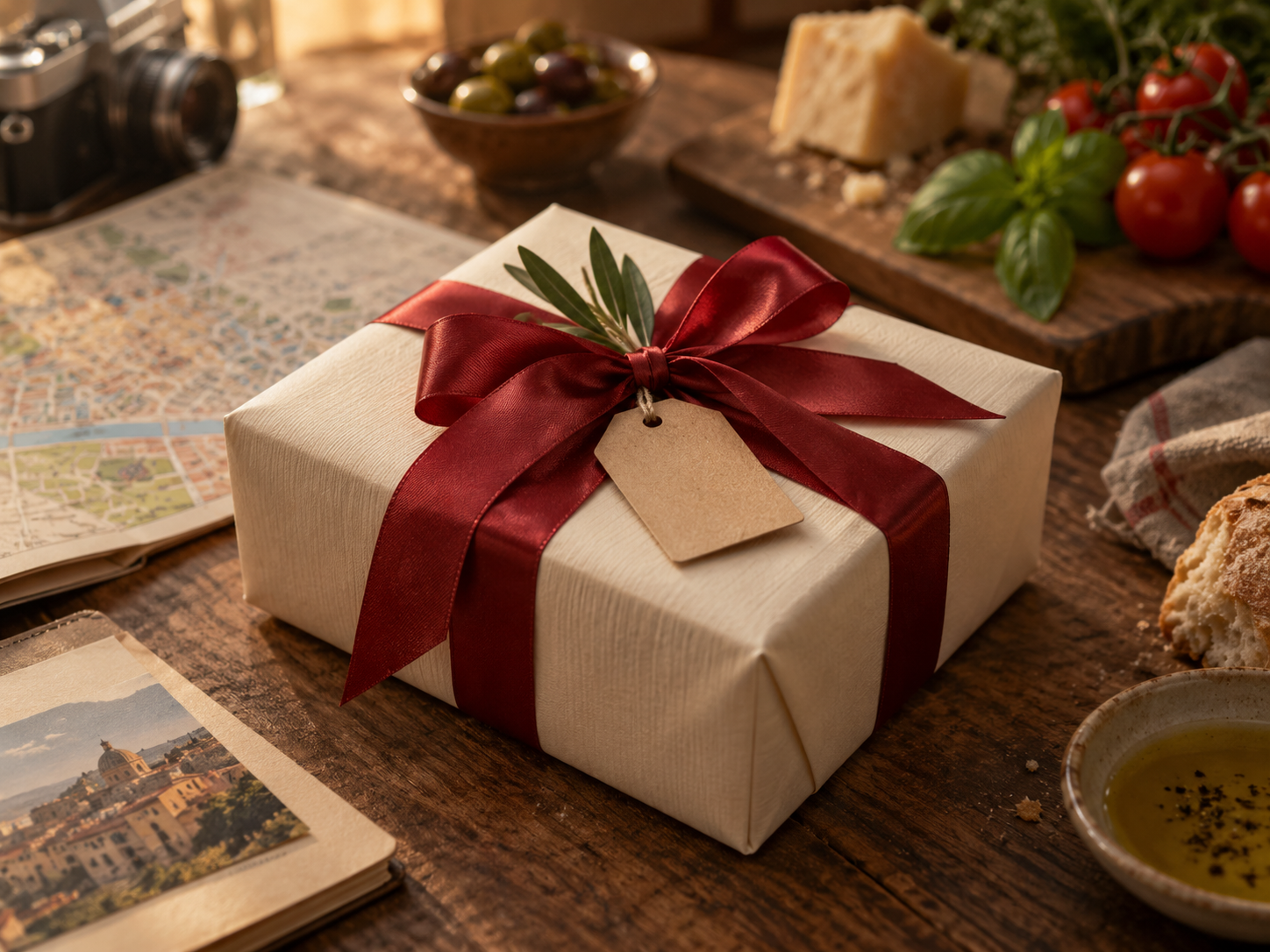
A digital code can feel impersonal if it is forwarded without context. Add a short message explaining why you chose the tour and suggesting how the recipient might use it. You could include a printed itinerary, a city map, a handwritten note, or a small complementary gift such as a reusable water bottle or locally made snack, provided it suits the recipient.
For an anniversary, connect the tour to a shared place or cuisine. For a birthday, choose a route that reflects the person’s curiosity. For a holiday gift guide, consider destinations the recipient expects to visit in the coming year. For an eco-conscious recipient, ask the operator about group size, local suppliers, food waste practices, and digital delivery. Avoid claiming that any experience is automatically sustainable without evidence from the provider.
Safety and Information Note
Food tours involve financial commitments, travel, walking, and eating food prepared by third parties. Review the provider’s terms, accessibility details, insurance information where relevant, and cancellation policy before purchase. Tell the operator about allergies or medical dietary requirements in advance, but recognize that a tour provider may not be able to eliminate every cross-contact risk. This article is general information, not legal, medical, dietary, or financial advice.
Concise Q&A
Are food tour gift vouchers usually transferable?
It depends on the provider. Many vouchers can be given to another person, but some are linked to a named booking or require the original purchaser to request a change. Check the terms before purchase.
Can a food tour voucher be used for dietary restrictions?
Sometimes, but not automatically. Contact the operator before buying and ask about specific ingredients, substitutions, allergen controls, and cross-contact procedures.
Is a food tour a good anniversary gift?
It can be a strong choice for couples who enjoy exploring and eating together. A private or smaller-group tour may offer a more personal setting than a large scheduled group.
What should I do if the recipient lives in another city?
Choose a voucher in a destination they already plan to visit, or select a provider that offers multiple locations. Confirm that the voucher can be redeemed at the intended location and that travel costs are not included.
How far in advance should the recipient book?
Follow the provider’s instructions. Booking earlier is sensible for weekends, holidays, limited-capacity tours, and experiences in busy destinations, but avoid promising availability that the provider has not confirmed.
Final Buying Checklist
- Match the tour style to the recipient’s interests and mobility.
- Confirm the location, duration, meeting point, and walking requirements.
- Check the number of participants covered by the voucher.
- Read the food, drink, dietary, and allergen information.
- Review expiry, blackout dates, cancellation, and rescheduling terms.
- Compare providers using inclusions rather than headline price alone.
- Keep the receipt, voucher code, and terms until redemption.
- Present the voucher with a personal message and realistic planning information.
Food tour gift vouchers are most successful when they are chosen as an experience for a particular person, not as a generic food-related present. With careful attention to location, dietary needs, inclusions, and booking conditions, they can offer a flexible way to celebrate a birthday, anniversary, holiday, professional milestone, or shared interest.
Leave a Reply